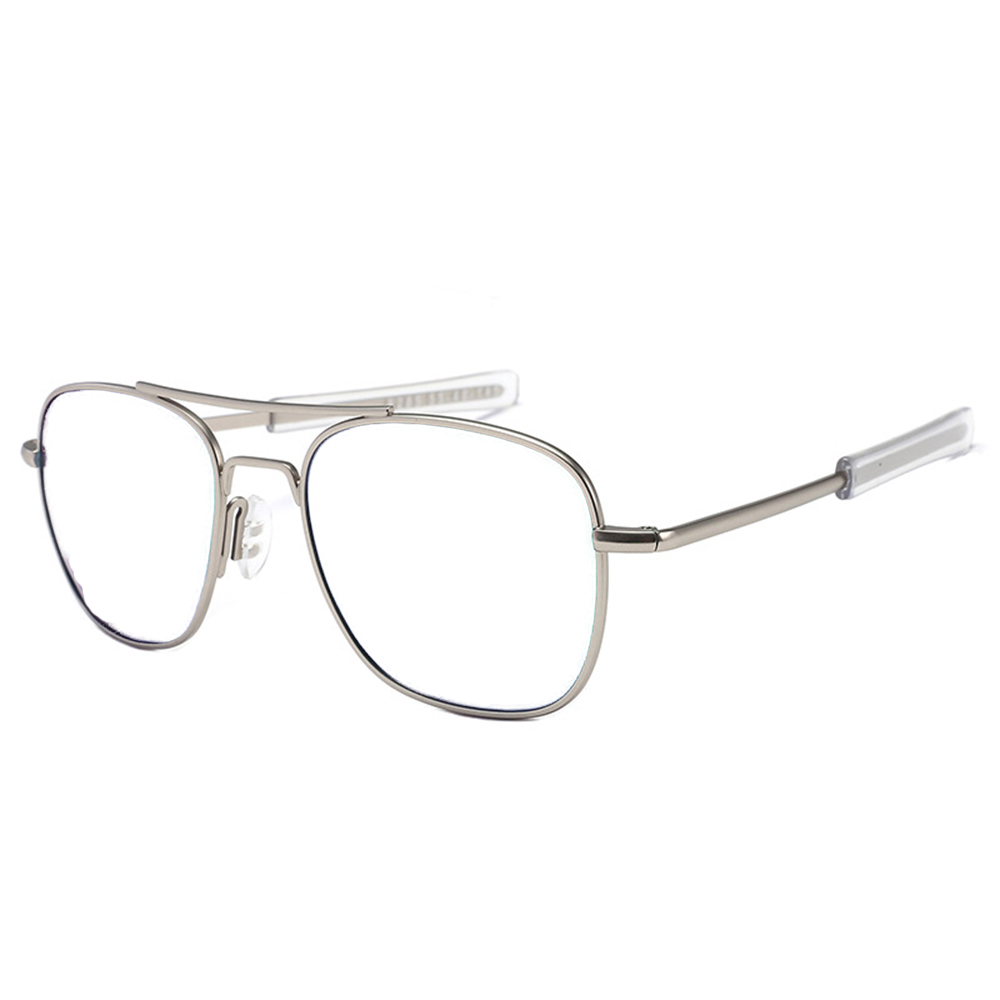
I understand the appeal. You see those sleek, professional-looking Pilot Style Rectangle Double Bridge Men's Reading Glasses and think, "Bifocals that actually look cool? Count me in!" That was exactly my mindset. I needed a sturdy pair of bifocal reader sunglasses for driving and reading menus outdoors, so I tried to cut corners by choosing a bargain online retailer.
That turned out to be a huge error. What seemed like a low initial price ended up costing me significantly more in time, frustration, and money. I wound up with flimsy frames that snapped, confusing warranty terms, and customer service nightmares. Let my experience help you steer clear of the same traps.
I believed paying extra for a warranty was a smart move. If my inexpensive Pilot-style frames broke, I'd simply get a replacement, right? Not exactly. Many warranties conceal additional fees and may force you to accept an inferior product.
When I needed a replacement for a broken frame, I discovered the real price of their so-called "protection."
Don't repeat my mistake. Extremely cheap glasses usually come with disproportionately expensive headaches. You pay an insurance fee upfront, then get hit with a deductible when something goes wrong. That $30 fee can equal half the cost of the original cheap pair!
The Pilot Style Rectangle Double Bridge design looks sharp. But if it's made from poor-quality materials, that stylish frame becomes brittle. Negative reviews frequently mentioned frames breaking quickly, which then triggers the stressful warranty process described in Mistake #1.
When you buy inexpensive bifocal reader sunglasses online, the frames are often made from very lightweight, thin metals or plastics to reduce production costs. They might look fine in photos, but they can bend out of shape or snap at the hinges with normal use. The breakage typically occurs where the arm meets the lens.
If a frame is advertised as very light but doesn't specify the material—such as durable titanium or high-grade stainless steel—it's safe to assume it's fragile.
I saw a decent overall star rating and clicked "buy." That was a major oversight. I should have filtered reviews to show only the one-star ratings and read the complaints about customer service and order fulfillment. This is where you uncover whether a company can actually get your order right.
The truth is, many budget optical retailers struggle with complex orders, such as specific bifocal powers ranging from +0.75 to +6. If they make a mistake, the correction process is often a hassle.
This highlights a significant service failure. If a company can't fulfill an order correctly the first time, you waste months on exchanges. Even worse, they may reduce the value of your order during the exchange process. This isn't customer service; it's a financial downgrade.
I thought I was getting an amazing deal thanks to a huge "sale" or "discount code." But a critical point from a negative reviewer revealed how these fake discounts mask the way they credit you back later.
When my cheap frame broke, I was compelled to accept a store credit for a replacement. However, the credit was less than what I originally paid, pushing me toward a cheaper product.
They use discounts to attract customers. Then, when you need to use the warranty, they devalue your original purchase. You might think you spent $189, but after a return, your actual purchasing power with them drops to $130. This is how you lose money while still feeling obligated to stay with their service.