Like many of you, I spend a huge chunk of my day staring at screens. From my computer at work to my phone in the evenings, my eyes are constantly bombarded with light. I started to wonder if all this screen time was affecting my sleep and causing eye strain. That's when I began researching blue light blocking glasses. Are they a real solution, or just another gimmick? I decided to try them out and share my honest experience.
To be honest, I was pretty skeptical at first. I'd heard mixed reviews about blue light glasses. Some people swore by them, while others claimed they were a complete waste of money. I even stumbled upon some research suggesting they might not be as effective as advertised. But, I was desperate for relief. I was experiencing eye strain and headaches, especially after long days at my desk. So, I figured it was worth a shot.
My eye issues were definitely noticeable. I work a desk job, and I felt like my eyes were constantly tired and strained. It got even worse because of some pre-existing eye problems I have. I needed something to help. I decided to dive into the world of blue light blocking glasses, hoping to find a solution.
I decided to try a pair of non-prescription blue light blockers. I know a lot of options are out there, but I went with a brand I had heard good things about. After wearing them consistently for a couple of weeks, I started to notice a difference. It wasn't a miracle cure, but my eyes felt less strained by the end of the day. The most obvious change was the slight tint of the lenses, which took some getting used to.
However, I still wondered if I was just experiencing a placebo effect. Maybe the glasses weren't actually doing anything, and I was just feeling better because I thought they would help. I wanted to find something that had a bit more scientific backing.
While researching blue light glasses, I discovered an alternative that seemed promising: FL-41 lenses. I learned that these lenses have actual scientific research supporting their effectiveness in reducing eye strain, light sensitivity, and headaches. You can learn more about FL-41 lenses at this helpful page. This was appealing to me because I was looking for something more than just a potential placebo.
I considered trying FL-41 lenses, but before committing, I wanted to explore other options. That's when I stumbled upon a pair of blue light blocking reading glasses from Mozaer's homepage. I need reading glasses anyway, so I thought a pair that also blocks blue light would be perfect. They seemed like a good all-in-one solution.
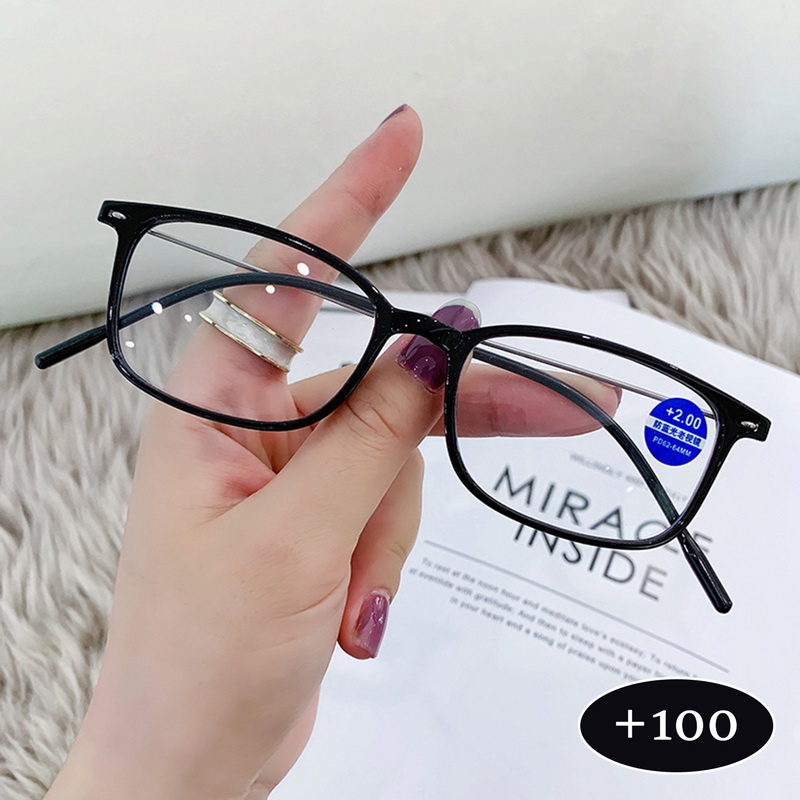
I decided to try these Blue Light Blocking Reading Glasses Rectangle Glasses Aged Elder Men Women Radiation Protection Square Computer Optical Glasses. As someone who needs reading glasses, the idea of getting blue light protection at the same time was very appealing. It felt like a practical solution for my needs. The glasses themselves are comfortable and stylish. They have a rectangle shape and come in black, which I liked because it's a classic look. I've been using them for reading and working on my computer, and I do feel like they help reduce the glare and eye strain.
One thing I realized during my research is that screens aren't the only source of blue light. Overhead artificial lighting can also emit significant amounts of blue light. And even a few minutes spent outdoors, even on a cloudy day, exposes you to far more blue light than any screen. This made me question the effectiveness of blue light blocking glasses even further. It seemed like I was only addressing a small part of the problem.
After trying different approaches, I've come to a few conclusions. Blue light blocking glasses can provide some relief from eye strain, but they're not a magic bullet. Here's a breakdown of my current strategy: