If you need reading glasses, you know the routine. Your vision gets blurry, you go online, and you grab the cheapest pair available. I did that for years, assuming all glasses were essentially the same. I was mistaken.
The inexpensive pairs broke quickly and gave me headaches. I was stuck in a cycle of replacing them every month, which was a waste of money. I finally decided to search for the absolute best online reading glasses within my budget. That journey taught me that quality isn't a luxury—it's a necessity.
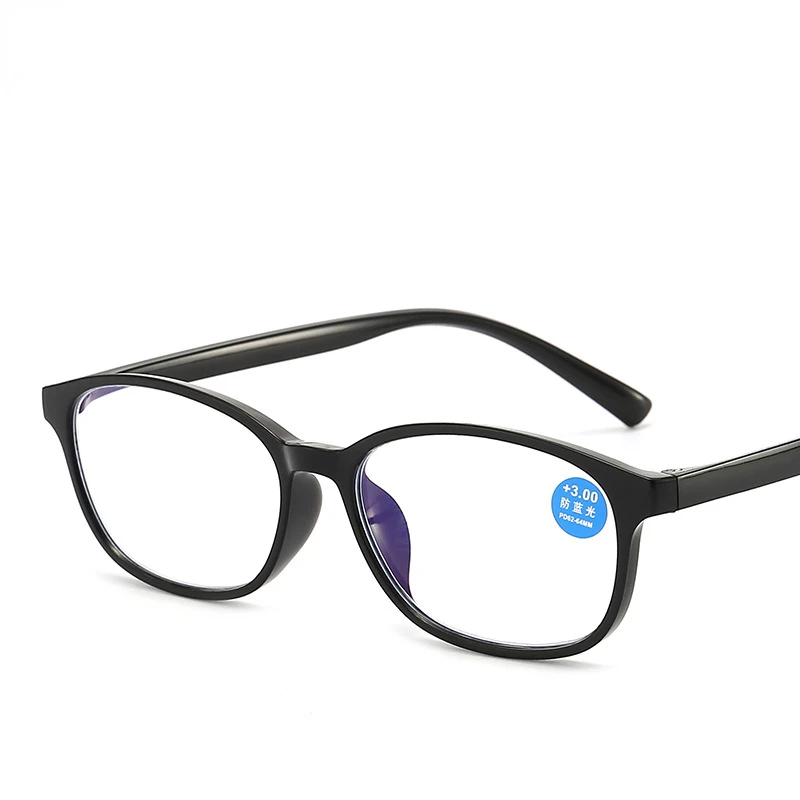
Here’s what happened when I upgraded from $20 disposable readers to a $49 Mozaer TR90 premium pair:
My first pair cost $20 and lasted only three weeks. They were made of heavy plastic, and the lenses had an odd glare. I bought them from a large online retailer based solely on the low price.
The materials were always brittle. Accidentally sitting on them meant an instant snap—straight into the trash. The lenses scratched incredibly easily, and the so-called anti-blue light protection was ineffective, only making my computer screen look fuzzy.
Even ordering these cheap frames was frustrating. The websites were often poorly designed and confusing. Reading feedback from other budget shoppers revealed terrible customer service. One user noted: “The website was so messed up it took me two and a half hours to purchase two pairs of glasses. I couldn’t even type in my prescription and save it to complete my order.” This is typical with very cheap online glasses—poor quality paired with poor service.
Verdict: Don’t waste your money on glasses under $25. They’re disposable, but they’ll frustrate you long before they break.
After the $20 pair failed, I moved up to a $40 set. They were... acceptable. They lasted about three months. The higher price brought slightly thicker plastic and lenses that felt less distorted.
These glasses often claimed to be "anti-scratch" or "lightweight," but the reality fell short. They were an improvement over the $20 options but still became tiring to wear all day. They’d leave red marks on the bridge of my nose because they weren’t genuinely lightweight.
The main issue in this mid-range tier is that you’re often paying for nicer packaging, not better components. They look good in the box, but the screws still come loose, and the arms feel stiff. They work as backups but aren’t suited for long hours of screen time.
Step 1: Check the frame material. If it only says "plastic," assume it’s cheap polycarbonate.
Step 2: Look at customer photos showing wear after 30 days. If the finish is peeling, avoid them.
Verdict: Only consider $30–$40 glasses if you need them for about ten minutes a day. They aren’t built for heavy use.